Consumer Law in Utah
Legal problems in Utah can disrupt more than just your finances—they can affect your peace of mind and future stability. From consumer fraud and product defects to complex business disputes, these challenges often appear without warning and escalate quickly.
The earlier you take action, the stronger your position becomes. By connecting with a Utah lawyer now, you give yourself the advantage of trusted representation every step of the way.
Common Types of Consumer Fraud in Utah
Consumer fraud involves deceptive or unfair practices that cause financial, physical, or emotional harm. It may come from a business misrepresenting its products or from individuals running scams like fake lotteries. Consumer law defines what constitutes unlawful conduct and gives victims a path to justice.
In some cases, being drawn into a fraudulent scheme can even create criminal complications for the victim. For example, donating to a charity later exposed for money laundering could leave you struggling to clear your name.
Fraud is a growing problem in Utah. Reports from Deseret News describe scams ranging from bill-pay offers in exchange for gift cards, to sextortion schemes in which victims are blackmailed with intimate images. Other common scams include Social Security ID theft, housing market fraud, and romance hoaxes like the “ship captain” scam—where a fraudster pretends to be stationed overseas before asking for money.
Embarrassment often keeps victims silent, but speaking up is essential. Reporting fraud not only increases your chance of recovery but also prevents others from falling prey to the same schemes.
What Types of Fraud are in Consumer Law?
If you have suffered losses due to consumer fraud in , you may be able to pursue a civil lawsuit. Below are the most common categories recognized under consumer law.
Identity Theft
Identity theft occurs when a dishonest business or individual gains access to your personal information. This may include bank account details, Social Security numbers, credit card data, or even your full name and address.
With stolen information, criminals can open new credit cards, rack up charges on existing accounts, or even create utility accounts in your name to establish a false residency. Once that step is complete, they have even more opportunities to secure loans, apply for additional credit, or access sensitive records.
In some cases, thieves drain victims’ bank accounts entirely, leaving them without immediate funds. Others target health insurance, filing fraudulent claims and leaving victims with medical bills that are not theirs.
Proving you are the victim of identity theft can be difficult. Financial institutions and insurers often demand extensive documentation, and clearing your name takes time and persistence. That is why working with a dedicated consumer fraud attorney is so important.
Fake Organizations
Spotting fake charities can be difficult because they often mimic the same fundraising methods that genuine organizations use. That is why it is critical to know exactly where your money is going before making a donation. The same level of caution applies when investing or purchasing goods and services.
In , you can verify whether an organization is legitimate by checking its registration with the state or confirming its nonprofit status with the IRS. Still, dishonest groups may register for the sole purpose of committing fraud.
Utah enforces strict rules under its Charitable Solicitations Act. The state may suspend, revoke, or deny a permit if an organization employs someone with a conviction for crimes involving moral turpitude. In addition, anyone who knowingly violates the Act faces a Class B misdemeanor, with each day of violation counted as a separate offense.
When it comes to products and services, online reviews can offer useful insight. A larger number of reviews often signals legitimacy, but reviews themselves can be purchased.
Defective Products and Services
Legitimate businesses can still produce defective products or services. Common problems include:
- Products that fail to function as intended
- Items with dangerous design flaws
- Medications that fail to disclose all side effects
- Services that do not meet promised standards
Even when the defect is unintentional, consumers may be entitled to recover damages. This is why recalls and free repairs are so common when car manufacturers or other companies discover a serious problem.
Under Utah law, the burden rests on the plaintiff to prove that a defect made the product unreasonably dangerous. A product is considered unreasonably dangerous if it poses risks beyond what an ordinary and prudent user would expect. In addition, Utah imposes a two-year statute of limitations for product liability claims. This means a consumer must file suit within two years of discovering both the injury and its cause.
Utah Consumer Protection Laws and How Consumer Law Works
Consumer protection in the United States is anchored by the Federal Trade Commission Act of 1914, which created the FTC to prevent deceptive practices and combat monopolies. The FTC investigates complaints, brings lawsuits, and enforces laws across industries such as real estate, agriculture, food, and beverages.
At the state level, has laws that address false advertising, predatory lending, and abusive debt collection. Together, these state and federal protections give consumers the legal grounds to challenge unfair or fraudulent practices.
Work With an Experienced Utah Consumer Law Attorney
A knowledgeable consumer fraud attorney in can explain your rights, help you file complaints under FTC guidelines, and pursue justice against the businesses or individuals who harmed you.
Attorneys also coordinate with law enforcement and regulatory agencies to strengthen your case and prevent others from becoming victims. Whether your claim involves identity theft, defective products, or a fraudulent organization, legal representation ensures your voice is heard.
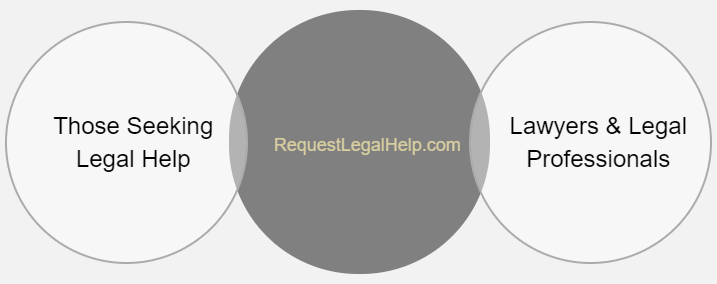
Take the first step today. Call (866) 345-6784 or submit a request online to be matched with an attorney in your area. We can even help you connect with an attorney across Utah state lines.
About the Author

Aaron is a professional legal writer with a B.S. in English Education from Southern Illinois University – Carbondale. He has written, published, and edited thousands of legal articles for RequestLegalHelp, which has connected over 5 million people to legal help in the United States.
With over five years of experience writing thousands of legal articles for law firms across the U.S. and Canada, Aaron specializes in covering federal, state, and city-level legal issues ranging from auto accidents to wrongful terminations.
There are still many areas of Utah law you may want to explore to be sure that you have completed all the necessary research for your particular case.