Real Estate Law in Washington
Buying or selling property can be exciting, but it also comes with risk. Disputes over repairs, ownership, or access often surface when least expected.
Washington real estate law provides rights and protections for both owners and tenants. Transactions may look smooth on paper, yet complications—such as easements, liabilities, or questions of title—regularly occur.
Types of Real Estate Law Disputes
Property disputes in Washington arise frequently and range from simple disagreements to issues requiring lengthy court battles. Although the legal system exists to resolve them, many people feel the process is complex and difficult to navigate without help.
Here are some of the most common real estate disputes Washington residents encounter.
Escrow Deposit
Escrow is a standard part of any property purchase in Washington. The funds are held until all conditions of the transaction are met.
Problems occur when a sale collapses before closing and both sides demand the deposit. If the parties cannot reach agreement, escrow disputes often end up in court for resolution.
Easement Real Estate Dispute
Easements allow another party to use part of your land, often for access or utilities. They are usually documented in property deeds, but conflicts arise when neighbors disagree about their extent or validity.
Consider a situation where a neighbor continues to cross your property because a former owner gave informal permission. While it may seem minor, such disagreements can grow into serious disputes if not resolved early.
Landlord/Tenant
Tensions between landlords and renters make up a large share of real estate disputes in Washington. Issues often revolve around repairs, late rent, or proper notice before entry.
According to Washington law, tenants have specific rights, such as receiving receipts for cash rent payments and timely repairs to plumbing, heating, or smoke detectors. If a property is sold, landlords must also provide tenants with 90 days’ written notice before requiring them to move.
Contract Breaches
Contracts form the backbone of real estate deals, but not every agreement holds up under scrutiny. Missing terms, unclear language, or outright breaches often lead to disputes between buyers and sellers.
Because real estate contracts carry significant financial weight, entering into one without legal review can expose either side to costly litigation. In Washington, only contracts meeting the proper legal requirements are enforceable.
Fraud/Omissions
Fraud in real estate transactions is a serious problem, and proving it requires legal support. Many schemes involve false promises or hidden information that leaves the buyer at a disadvantage.
The Washington Attorney General warns residents about scams—especially those requiring fees up front for services like loan modifications. The Federal Trade Commission has banned this practice, but deceptive operators still attempt it. Recognizing these red flags is critical to protecting yourself.
Boundary Lines
Neighbors often clash over where one property ends and another begins. Fences, tree lines, or unclear surveys can all spark boundary disputes.
Although it may be tempting to handle the matter directly, taking unilateral action often leads to greater problems. Court intervention is usually the most reliable way to establish and enforce boundary lines under Washington law.
Ownership
Questions of ownership surface frequently in Washington. Disputes arise from verbal transfers, mishandled wills, or multiple parties claiming rights to the same property.
In addition, lien holders may assert claims that complicate ownership. Resolving these situations often requires careful review of documents and, in some cases, judicial clarification.
Liens
Liens restrict an owner’s ability to freely transfer or finance property. They can lower the property’s value and must often be cleared before a sale or mortgage can proceed.
Under Washington law, a judgment lien attaches to the debtor’s real property once entered by the court. If the property is jointly owned, the lien applies only to the debtor’s share. This means the co-owner does not carry responsibility for the debt, though the lien may still affect the property as a whole.
What Should You Do If You Are in a Real Estate Dispute in Washington?
If you find yourself facing a real estate conflict, whether with a neighbor, landlord, or another party, the smartest move is to seek legal guidance. An attorney familiar with Washington real estate law can protect your rights and help you pursue the best outcome.
Learn About Real Estate Law
The rules governing Washington real estate are detailed and often misunderstood. By learning how the law applies to your circumstances, you can make informed decisions. A lawyer can explain what risks you face and develop a strategy tailored to your situation.
Work With an Experienced Real Estate Attorney in Washington
Most real estate cases never go to trial, but that does not mean they are simple. A knowledgeable Washington attorney can guide you through negotiation, mediation, or litigation when necessary. Courts may order financial damages or issue injunctions to prevent continued violations.
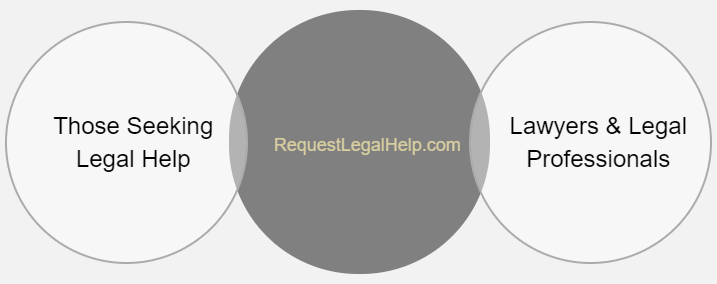
We assist landlords, tenants, buyers, and sellers across Washington in resolving disputes. If your case involves more than one jurisdiction, we can also connect you with attorneys in other states.
Submit a request online or call (866) 345-6784 today to connect with a qualified Washington real estate lawyer.
About the Author

Aaron is a professional legal writer with a B.S. in English Education from Southern Illinois University – Carbondale. He has written, published, and edited thousands of legal articles for RequestLegalHelp, which has connected over 5 million people to legal help in the United States.
With over five years of experience writing thousands of legal articles for law firms across the U.S. and Canada, Aaron specializes in covering federal, state, and city-level legal issues ranging from auto accidents to wrongful terminations.
There are other areas of Washington law that could apply to your case.