Criminal Defense in Nebraska
Facing criminal charges can turn your life upside down. Whether it’s a first-time offense or a repeat accusation, the weight of uncertainty is overwhelming—especially when your freedom and future are on the line.
Nebraska’s legal system offers alternatives to jail time, including probation and parole. But the outcomes of your case often depend on early decisions—particularly your choice of legal representation.
Don’t let a legal misstep become a lifelong burden. Reach out today and get connected with an experienced Nebraska defense attorney.
Hiring a Criminal Defense Lawyer in Nebraska
When you’re facing criminal charges in Nebraska, having the right attorney by your side can make all the difference. A seasoned defense lawyer doesn’t just argue your case—they stand with you in court, challenge the prosecution’s narrative, and fight to protect your future.
What is the Difference Between Parole and Probation?
If you’re up against criminal charges in Nebraska, you may have more options than jail time. In many cases, the court may consider parole or probation—two very different legal paths that both serve as alternatives to incarceration.
While probation is often handed down instead of a prison sentence, parole usually comes after serving time behind bars. A skilled Nebraska criminal defense attorney can fight for an outcome that minimizes long-term consequences.
Probation
In Nebraska, probation serves as an alternative to incarceration, allowing individuals to remain in the community under court-imposed conditions. Judges may grant probation to defendants deemed suitable for rehabilitation, but this decision often hinges on the strength of the legal defense.
While on probation, individuals must adhere to strict conditions that may include attending rehabilitation programs, maintaining employment, observing curfews, and submitting to regular drug testing. Non-compliance with these terms can lead to serious consequences, including the possibility of incarceration.
Nebraska law permits probation officers to conduct warrantless searches of a probationer’s residence if there is reasonable suspicion of a probation violation. This means that, under certain conditions, your home could be searched without a warrant, emphasizing the importance of understanding and complying with all probation terms.
Financial obligations are also a component of probation in Nebraska. Individuals may be required to pay restitution to victims, court costs, fines, and other associated fees. The specific amounts and obligations depend on the nature of the offense and the court’s judgment.
The duration of probation in Nebraska varies based on the offense. According to Nebraska Revised Statute § 29-2263, probation terms can range from up to two years for a first misdemeanor offense to up to five years for a felony or second misdemeanor offense.
Probation Revoked
Failing to comply with probation terms in Nebraska can result in swift and serious consequences. A judge has the authority to revoke your probation if you miss mandatory check-ins, break curfew, or violate any condition of your release. In more serious cases, this could mean serving out the remainder of your original sentence behind bars or facing new criminal charges.
Nebraska law outlines a wide range of conditions a person may be required to meet while on probation. These terms are typically enforced by a supervising probation officer and can include everything from random drug screenings to mandatory rehabilitation programs. You may also face limits on where you can live or travel, and you could be ordered to make restitution payments to any victims associated with your case.
Probation officers in Nebraska serve as the court’s eyes and ears, tracking your progress and flagging any concerns. They submit regular reports detailing your compliance, which judges rely on when deciding whether to extend, modify, or revoke your probation. Even a single violation can trigger a formal review of your case.
If your probation is revoked, the court can impose your original jail or prison sentence in full. However, if you act quickly, a Nebraska criminal defense attorney can intervene, represent you at your revocation hearing, and help argue for alternative penalties or a second chance.
Parole
Parole in Nebraska is not simply a release from prison—it’s a continuation of your sentence under strict supervision. Once granted parole, you must report to a parole officer who will oversee your reintegration into the community. That officer is responsible for ensuring you follow all court-ordered terms, documenting your progress, and reporting back to the Nebraska Board of Parole.
Parole represents the period following incarceration where your freedom depends on your ability to comply with the state’s conditions. It functions much like probation but is typically granted after a portion of a prison sentence has been served. These terms are not suggestions—they are binding requirements, and a misstep could send you back behind bars.
The Nebraska Board of Parole outlines a range of expectations that may be part of your parole plan. Some of the most common conditions include:
- Maintaining a stable, court-approved residence
- Attending drug or mental health counseling as directed
- Holding steady employment or enrolling in a training or education program
The Division of Parole Supervision monitors compliance from 11 field offices throughout Nebraska. In addition to meeting with your parole officer, you may be ordered to pay court fees, fines, or restitution. If your officer believes a violation has occurred, the board can schedule a parole revocation hearing. Unlike a criminal trial, the state only needs to prove a violation by a preponderance of the evidence—not beyond a reasonable doubt.
Work With an Experienced Local Nebraska Criminal Defense Lawyer
A Nebraska criminal defense attorney doesn’t just stand beside you in court—they serve as your advocate in every stage of the process. From the moment charges are filed, they begin building a strategy to reduce the penalties you face.
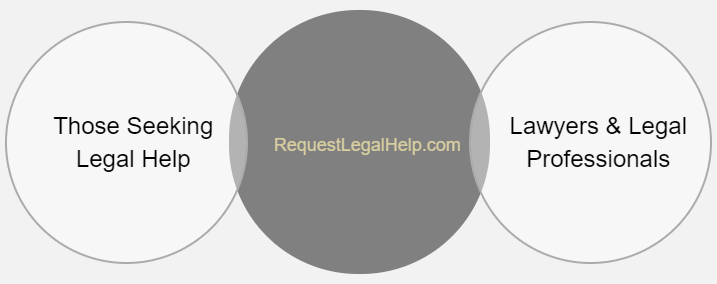
If you or a loved one is facing criminal charges in any state, contact our team to learn how we can connect you with a reputable criminal defense attorney near you. We can even help you connect with an attorney across Nebraska state lines.
Submit a request online or call us today at (866) 345-6784 to get in touch with an experienced lawyer in your area!
About the Author

Aaron is a professional legal writer with a B.S. in English Education from Southern Illinois University – Carbondale. He has written, published, and edited thousands of legal articles for RequestLegalHelp, which has connected over 5 million people to legal help in the United States.
With over five years of experience writing thousands of legal articles for law firms across the U.S. and Canada, Aaron specializes in covering federal, state, and city-level legal issues ranging from auto accidents to wrongful terminations.
Has reading this article raised questions? Discover more about a different category of Nebraska law!