Consumer Law in Connecticut
Consumer fraud in Connecticut ranges from online scams to charity schemes that misuse donated funds. The harm can be financial, emotional, and sometimes legal if a victim is unknowingly tied to criminal activity.
An experienced Connecticut consumer law attorney can help protect your rights, guide you through the recovery process, and work to hold wrongdoers accountable. Acting quickly can prevent further harm.
Common Types of Consumer Fraud in Connecticut
Consumer fraud in Connecticut includes deceptive practices that cause harm to residents financially, emotionally, or physically. These scams can be carried out by individuals or businesses, using methods like fake investments, charity solicitations, and online deception.
In some situations, fraud victims may face their own legal complications. For example, making a donation to a nonprofit later found to be laundering money can require significant effort to clear your name.
The Connecticut Department of Consumer Protection (DCP) lists common scams such as multi-level marketing schemes, internet dating scams, and gift card fraud. The DCP also warns of email scams and provides a list of “pitch lines” that often indicate a fraudulent solicitation.
Although embarrassment often keeps victims silent, reporting scams helps law enforcement stop offenders and protect other consumers from becoming victims.
What Types of Fraud are in Consumer Law?
If you have been harmed by consumer fraud in Connecticut, you may be able to file a civil lawsuit against those responsible. Knowing the most common types of fraud under consumer law can help determine if you have a valid claim.
Identity Theft
Identity theft happens when a Connecticut business or individual unlawfully acquires and uses your personal information, such as your Social Security number, bank account details, or credit card information. Data mining is one common method, in which criminals gather information without consent from digital sources.
Once in possession of this data, thieves may open credit cards, make unauthorized purchases, or establish utility accounts in your name to create false residency. This false identity can then be leveraged to apply for loans or additional credit. In severe cases, bank accounts are drained or health insurance is misused for fraudulent medical charges.
Fake Organizations
Fraudulent charities can be difficult to detect because they often mimic the fundraising methods and branding of legitimate organizations. Before donating, it is essential to verify an organization’s registration and review its financial records.
Recent cases in Connecticut underscore the risks. In 2024, Attorney General William Tong filed suit against the Veterans Support Organization for operating without proper registration and misleading donors about how their contributions would be used (CT.gov).
In 2023, NBC Connecticut reported that a Connecticut man was sentenced for defrauding donors through a fake charity, Blessings of Hope, by soliciting disaster relief funds that never reached the intended recipients (NBC Connecticut).
Customer reviews may provide insight, but they can be fabricated. A professional website or LLC registration is not proof of legitimacy—always check the Connecticut charity registry before donating.
Defective Products and Services
Even reputable Connecticut companies can sell defective products or fail to deliver services as promised. Common problems include:
- Products that do not work as intended
- Items with dangerous design flaws
- Medications missing required side-effect disclosures
- Services that do not meet contractual terms
Even when defects are unintentional, consumers may be entitled to compensation. This is why recalls and repairs are often issued when problems are identified.
Under the Connecticut Product Liability Act, lawsuits for manufacturing defects, design defects, or inadequate warnings must generally be filed within three years of the injury. The state’s Statute of Repose limits most claims to ten years after the product left the defendant’s control. Connecticut also applies a pure comparative negligence rule, meaning your damages can be reduced by your percentage of fault.
Connecticut Consumer Protection Laws and How Consumer Law Works
The Federal Trade Commission Act of 1914 established the FTC to protect consumers nationwide from deceptive practices and monopolistic behavior. The FTC investigates complaints, enforces compliance, and brings lawsuits across industries.
Connecticut supplements federal protections with state laws prohibiting false advertising, unlawful debt collection, and other deceptive trade practices. These laws work together to safeguard residents from fraudulent activity.
Work With an Experienced Connecticut Consumer Law Attorney
A Connecticut consumer fraud attorney can help you understand your rights under state and federal law. They can explain FTC guidelines, assess your claims, and guide you through the legal process.
Your attorney can also coordinate with law enforcement to investigate and stop fraudulent practices. Taking action can recover your losses and prevent others from becoming victims.
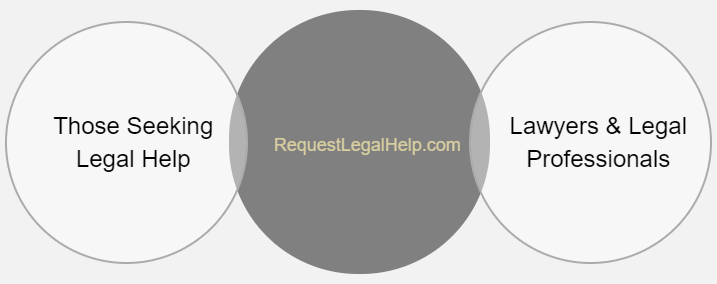
We can connect you with a qualified Connecticut consumer law attorney at no cost. We can even help you connect with an attorney across Connecticut state lines. Submit a request online or call us today at (866) 345-6784 to get in touch with an attorney in your area!
About the Author

Aaron is a professional legal writer with a B.S. in English Education from Southern Illinois University – Carbondale. He has written, published, and edited thousands of legal articles for RequestLegalHelp, which has connected over 5 million people to legal help in the United States.
With over five years of experience writing thousands of legal articles for law firms across the U.S. and Canada, Aaron specializes in covering federal, state, and city-level legal issues ranging from auto accidents to wrongful terminations.
If you still have more questions about Connecticut law, we can help!