Consumer Law in Hawaii
Do you feel uneasy about where your money goes or whether a business is playing fair?
Fraud in Hawaii can happen in unexpected ways, from fake charities to unsafe products, and it often targets those who least expect it.
The good news is that you do not have to face it alone. A qualified Hawaii consumer law attorney can help you protect your financial and legal rights.
If you suspect wrongdoing, now is the time to act. This guide explains the most common types of consumer fraud in Hawaii, the laws that address them, and how the right attorney can help you fight back.
Common Types of Consumer Fraud in Hawaii
Consumer fraud covers a broad range of deceptive practices that can cause financial, physical, or emotional harm. In Hawaii, scams can occur on an institutional level—such as false advertising by a business—or individually, as with lottery or romance scams. State and federal laws define what qualifies as unlawful conduct and how victims can pursue justice.
Falling victim to consumer fraud can also cause collateral consequences. For example, if you unknowingly donate to a charity involved in money laundering, you could face legal scrutiny while trying to clear your name.
In 2023, Hawaii residents lost approximately $51.7 million to internet-related fraud, which was a 45% increase from 2022. The FBI’s 2024 Internet Crime Report shows that Hawaiians lost more than $55 million to cybercrime, including $18.85 million lost by seniors alone.
Embarrassment keeps many victims from coming forward. But reporting the fraud not only aids investigations—it also alerts other residents to emerging threats and patterns of deception.
What Types of Fraud are in Consumer Law?
If you have suffered harm because of fraudulent practices, you may have grounds for a civil claim against the responsible party. Understanding the most common fraud types under Hawaii law can help determine whether you have a viable case.
Identity Theft
Identity theft occurs when a Hawaii individual or company unlawfully obtains personal information such as your bank account details, Social Security number, credit card numbers, or full name. One frequent tactic is data mining, where information is harvested from online activity.
With these details, thieves can open new credit accounts, make unauthorized charges, or even establish utility services in your name to create proof of residency. From there, they may apply for additional loans or credit cards, drain your bank account, or commit medical insurance fraud by charging services to your policy.
The process of proving your innocence can be complicated, so hiring an experienced Hawaii consumer fraud attorney is critical. An attorney can help you gather documentation, challenge false accounts, and work with authorities to clear your record.
Fake Organizations
Fake charities operate by imitating legitimate fundraising techniques, making them hard to detect. Before donating or investing, always verify where your money is going. This same caution applies when purchasing goods or services.
In Hawaii, legitimate charities must be registered and licensed with the Tax and Charities Division of the Office of the Attorney General. Registration, however, is not foolproof—some scammers register organizations to create a façade of legitimacy.
A notable example occurred in 2023 when Hawaii News Now reported that a Honolulu pastor and his wife were indicted for allegedly diverting over $500,000 in donations meant for a homeless outreach program to cover personal expenses.
The safest approach is to use Hawaii’s official charity search tool before giving. When considering businesses, review customer feedback but remain cautious—fake reviews are easy to purchase, and even a professional website or LLC registration does not guarantee legitimacy.
Defective Products and Services
Even legitimate Hawaii companies sometimes release unsafe or faulty products and services. Common examples include:
- Products that do not function as promised
- Items with hazardous design flaws
- Medications that omit known side effects
- Services that fail to meet advertised standards
When these defects cause injury or loss, consumers may be entitled to compensation. This is why auto manufacturers, for example, often issue recalls when safety defects are discovered.
Under Hawaii law, product liability claims can be based on manufacturing defects, design defects, or a failure to provide adequate warnings. Hawaii follows a modified comparative negligence rule—meaning your damages may be reduced if you are found partially at fault, but manufacturers cannot escape liability entirely. The statute of limitations is typically two years from the date of injury, so timely legal action is essential.
Hawaii Consumer Protection Laws and How Consumer Law Works
The Federal Trade Commission Act of 1914 created the FTC to protect consumers nationwide from unfair or deceptive practices, including monopolistic conduct. The FTC investigates complaints, files lawsuits, and enforces rules across industries like agriculture, real estate, food, and beverages.
Hawaii also enforces its own consumer protection laws, which target false advertising, illegal debt collection, and fraudulent sales practices. These laws are designed to complement federal protections and provide local enforcement for Hawaii residents.
Work With an Experienced Hawaii Consumer Law Attorney
Partnering with a Hawaii consumer fraud attorney can help you fully understand your rights under state and federal law. A skilled lawyer can explain FTC guidelines, evaluate your potential claims, and assist in gathering the evidence needed to hold fraudulent actors accountable.
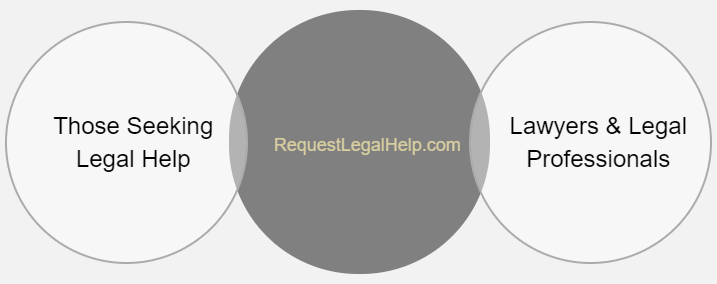
Your attorney can also coordinate with law enforcement to expose scams, recover damages, and protect other consumers from similar harm. We can connect you with trusted lawyers across Hawaii, and even with attorneys in other states if your case involves multi-jurisdictional issues.
Submit a request online or call us today at (866) 345-6784 to get in touch with an attorney in your area!
About the Author

Aaron is a professional legal writer with a B.S. in English Education from Southern Illinois University – Carbondale. He has written, published, and edited thousands of legal articles for RequestLegalHelp, which has connected over 5 million people to legal help in the United States.
With over five years of experience writing thousands of legal articles for law firms across the U.S. and Canada, Aaron specializes in covering federal, state, and city-level legal issues ranging from auto accidents to wrongful terminations.
Have doubts about whether this area of law fits your situation? Learn about other areas of Hawaii law!