Consumer Law in Tennessee
Have you been misled, overcharged, or scammed in a way that left you frustrated and uncertain where to turn?
Consumer fraud in Tennessee is more common than many realize, and it often leaves victims dealing with both financial loss and emotional stress.
But there is good news. Tennessee law gives consumers clear avenues to fight back against fraud and recover damages when businesses or individuals cross the line.
If you believe you’ve been a victim of fraud, now is the time to act. With the right legal guidance, you can hold wrongdoers accountable and reclaim your rights under Tennessee law.
Common Types of Consumer Fraud in Tennessee
Consumer fraud involves deceptive practices that cause financial, physical, or emotional harm. While scams may occur on a large scale—such as false advertising or defective products—they also happen at the individual level, such as lottery fraud or online romance schemes. Tennessee law defines and prohibits such practices, giving victims tools to seek justice.
Sometimes, becoming a victim can even put you in legal jeopardy. For example, donating to a fake charity that launders money can draw unwanted scrutiny until you prove your innocence.
The Tennessee Attorney General regularly warns about scams that continue to plague residents, including:
- Car decal scams
- Home repair and contractor fraud
- IRS impersonation scams
- Online romance scams
Although many people feel embarrassed after falling victim, reporting the fraud is essential. Your action can lead to investigations, prosecutions, and greater awareness that prevents others from being misled.
What Types of Fraud are in Consumer Law?
If you’ve been harmed by consumer fraud in Tennessee, you may be able to file a lawsuit against the responsible parties. Understanding the most common categories of fraud can help you determine whether you have a valid claim.
Identity Theft
Identity theft occurs when someone steals personal data such as your Social Security number, bank account details, or credit card information. Common methods include phishing emails, data breaches, or fraudulent websites.
Once obtained, thieves may:
- Open credit cards or utility accounts in your name
- Apply for loans or make unauthorized charges
- Drain funds directly from your bank account
- Use your health insurance for fraudulent medical claims
Clearing your name after identity theft is notoriously difficult, which is why hiring an experienced Tennessee consumer law attorney is critical.
Fake Organizations
Fake charities and illegitimate businesses are often designed to look convincing. Scammers may even register with the state or build professional websites. That is why careful verification is vital before donating or investing.
Tennessee law makes it a Class B misdemeanor for charitable organizations to solicit donations using false, misleading, or deceptive practices. It is also unlawful to spend funds for non-charitable purposes.
You can protect yourself by:
- Checking if an organization is properly registered in Tennessee
- Looking up IRS nonprofit verification
- Reading multiple independent customer reviews
Remember: anyone can set up a slick website or form a shell company. Always confirm where your money is going before committing.
Defective Products and Services
Even legitimate Tennessee companies sometimes release defective or unsafe products. Examples include:
- Products that fail to function properly
- Goods with dangerous design flaws
- Medications that omit critical side effects
- Services that fail to deliver promised results
When these defects cause harm, consumers may be entitled to compensation. That is why auto manufacturers, for example, frequently issue recalls.
Under the Tennessee Products Liability Act, a manufacturer can be held liable if a product is in a defective condition or is unreasonably dangerous at the time it left their control. A product is considered unreasonably dangerous if:
- It is more hazardous than an ordinary consumer would expect, or
- A prudent manufacturer would not have released it if aware of the risk.
However, manufacturers are not liable if the danger is obvious to the ordinary user and no additional warning is required.
Tennessee Consumer Protection Laws and How Consumer Law Works
At the federal level, the Federal Trade Commission Act of 1914 empowers the FTC to protect consumers against unfair or deceptive business practices, monopolies, and fraudulent schemes. The FTC investigates complaints, brings lawsuits, and enforces regulations across industries such as agriculture, real estate, and consumer goods.
In Tennessee, state law supplements federal protections by specifically prohibiting unfair and deceptive acts or practices in trade and commerce. This includes:
- False advertising
- Bait-and-switch tactics
- Illegal debt collection practices
- Misrepresentations in real estate or service contracts
Work With an Experienced Tennessee Consumer Law Attorney
If you suspect fraud, working with a consumer law attorney in Tennessee can help you understand your rights and options. An attorney will:
- Explain how federal and state protections apply to your situation
- Help you file complaints with the FTC or Tennessee Attorney General
- Guide you in gathering evidence for a lawsuit
- Represent you in negotiations or court proceedings
The goal is not just to restore your losses but also to hold fraudulent businesses accountable and prevent harm to others.
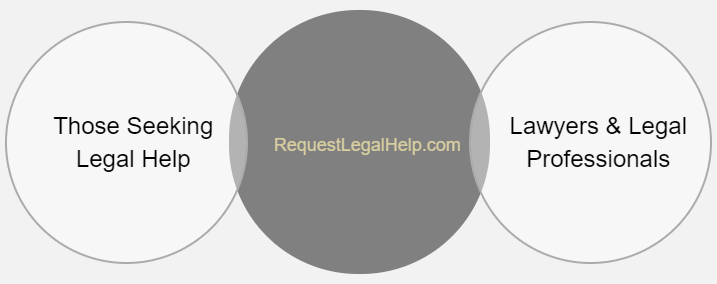
We can connect you with a Tennessee consumer law attorney ready to fight for your rights. Submit a request online or call us today at (866) 345-6784 to get started. We can even help you connect with an attorney across Tennessee state lines.
About the Author

Aaron is a professional legal writer with a B.S. in English Education from Southern Illinois University – Carbondale. He has written, published, and edited thousands of legal articles for RequestLegalHelp, which has connected over 5 million people to legal help in the United States.
With over five years of experience writing thousands of legal articles for law firms across the U.S. and Canada, Aaron specializes in covering federal, state, and city-level legal issues ranging from auto accidents to wrongful terminations.
Do you still have burning questions about a different area of Tennessee law? Check out more of our content!